Custom Wood vs. Horizontal Cedar Fencing: What Holds Up Best Against Termites and Sun?
The fence material matters, but how it is built matters more. Here is how wood options compare against San Diego sun, salt air, and termites.
A fence in San Diego fights a three-front war: relentless UV inland, salt air near the coast, and termites nearly everywhere. Choosing the right material helps, but the honest truth is that construction quality decides whether a fence lasts a decade or falls apart in three years. Here is how the popular wood options stack up.
Traditional vertical wood (pine/fir)
Pressure-treated pine and fir are the budget-friendly standard for fence installation. Treated correctly, they resist rot and termites reasonably well, especially at ground contact. The trade-off is appearance and lifespan — they weather faster and read more utilitarian than cedar.
Cedar (vertical or horizontal)
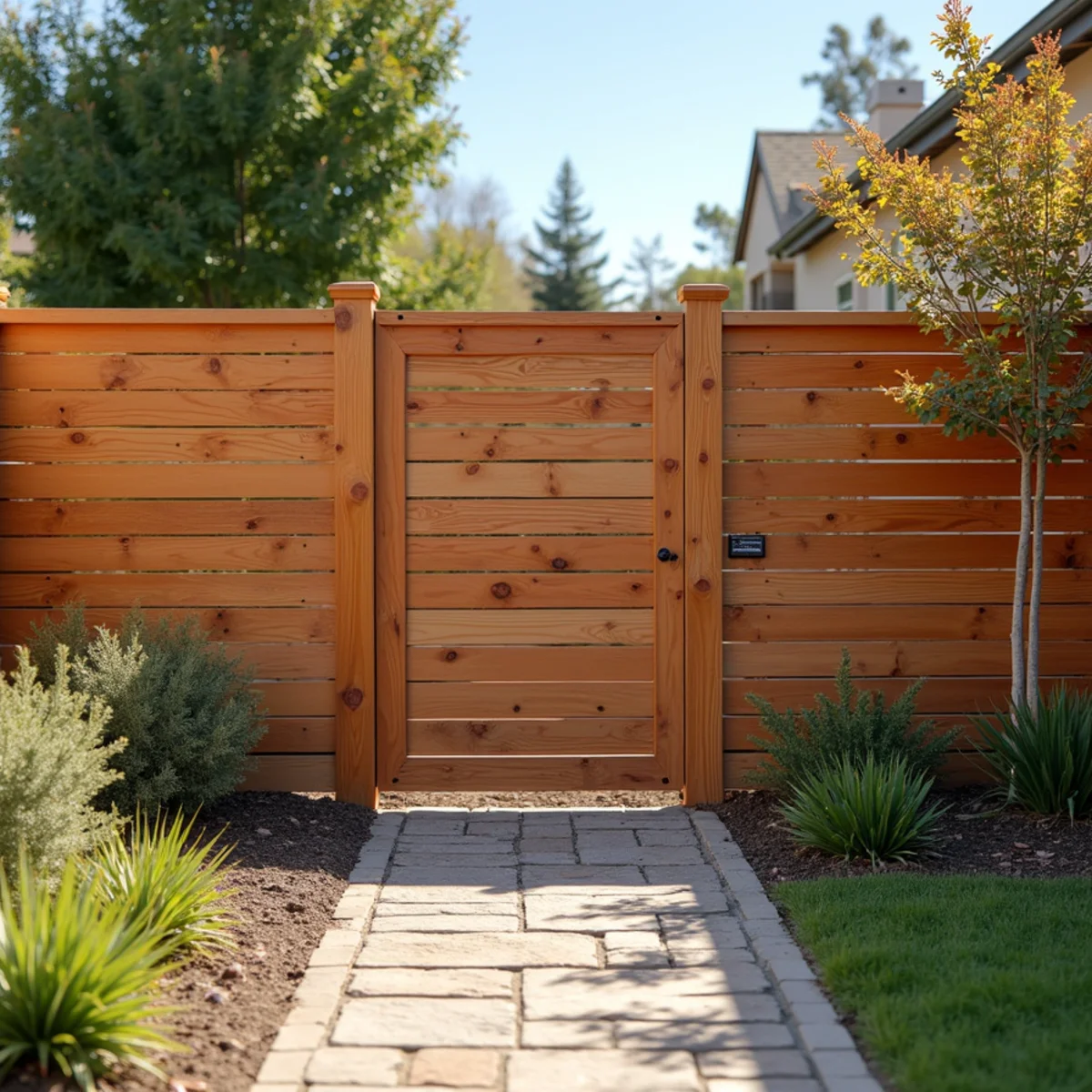
Cedar is naturally rot- and insect-resistant and simply looks better, with a warm grain that ages gracefully. Horizontal cedar in particular has become the signature modern San Diego fence. The catch: horizontal orientation demands a straight, rigid frame and quality boards, or it sags and cups. It is a build that rewards a careful installer and punishes a careless one.
And where wood is not the answer: vinyl
If maintenance is your priority, vinyl is immune to rot, termites, and salt, and never needs sealing. It costs more upfront and offers a different look, but for coastal exposure in places like Imperial Beach it is often the smart long-term choice.
What actually makes any fence last
- Posts set in concrete at proper depth — the number-one reason fences lean is under-set posts.
- Wood kept off the soil to slow termite and moisture damage.
- Corrosion-resistant fasteners, especially near the coast.
- Braced gates with heavy hinges so they do not sag — where cheap fences fail first.
Match the fence to your exposure
Inland yards in El Cajon battle sun; coastal yards battle salt. We help you weigh looks, budget, and exposure, and we build every fence to the fundamentals above. After a windstorm, we also handle fence repair and storm damage. Call (323) 606-0255 to plan yours.
Matching the fence to your exposure, coast to inland
The right fence material in San Diego depends heavily on where you are. Near the coast, salt air corrodes cheap fasteners and weathers wood fast, so vinyl or cedar with stainless or coated hardware holds up best. Inland, relentless UV is the enemy — it fades and dries wood, so finish and material choice matter more than salt resistance. Termites are a factor nearly everywhere, which is why we keep wood off the soil and use naturally resistant or treated material at ground contact.
Horizontal cedar has become the signature modern look here, but it is the least forgiving build. Horizontal boards need a dead-straight, rigid frame or they sag and cup within a season. It rewards a careful fence installer and punishes a fast one — which is exactly why the framing and post-setting matter as much as the boards.
Whatever the material, posts decide the lifespan. Under-set posts are the number-one reason fences lean, and after a windstorm we handle fence repair as often as new installs.
Choosing your fence material
- Vinyl — most maintenance-free, immune to rot, termites, and salt; best for coastal exposure.
- Cedar — best-looking natural option, naturally rot- and insect-resistant, ideal for horizontal styles.
- Pressure-treated pine/fir — budget-friendly and durable when kept off the soil.
- Ranch/post-and-rail — for acreage and equestrian properties.
- All of the above — set posts in concrete at proper depth with corrosion-rated hardware.
Gates and hardware: where fences really fail first
Ask any fence installer where the callbacks come from and the answer is the same: the gate. A fence panel just sits there, but a gate swings, latches, and gets slammed hundreds of times a year, and cheap construction shows fast. A sagging gate that scrapes the ground or won’t latch is almost always the result of a light frame, undersized hinges, or a post that wasn’t set deep enough to carry the swinging load. We brace gates properly and hang them on heavy hardware so they stay square for years.
Hardware choice matters everywhere, not just the gate. Near the coast, standard fasteners corrode and streak the wood; we use corrosion-rated hardware so a good fence doesn’t fail at its screws. A little maintenance extends any fence’s life, too.
- Set gate posts deeper — they carry a swinging, dynamic load.
- Use a braced, rigid gate frame that won’t rack and sag.
- Choose heavy hinges and a quality latch sized to the gate.
- Specify corrosion-rated fasteners, especially near the coast.
- Re-seal wood and check hardware periodically to extend its life.
We build and repair fences across El Cajon and Imperial Beach.
Frequently Asked Questions
What fence material lasts longest in San Diego?
Do horizontal cedar fences hold up?
Why do fences lean over time?
How long does a wood fence last in San Diego?
Can you match a repair to my existing fence?
Do I need a permit to build a fence in San Diego?
Need help with this in Southern California?
SOCAL EXTERIOR SERVICES, INC is a licensed San Diego landscaping and hardscaping contractor. Get a free, honest estimate from a local team that does the work right.