
Will Homeowners Insurance Cover Canyon Mudslides or Storm-Fallen Tree Removal in California?
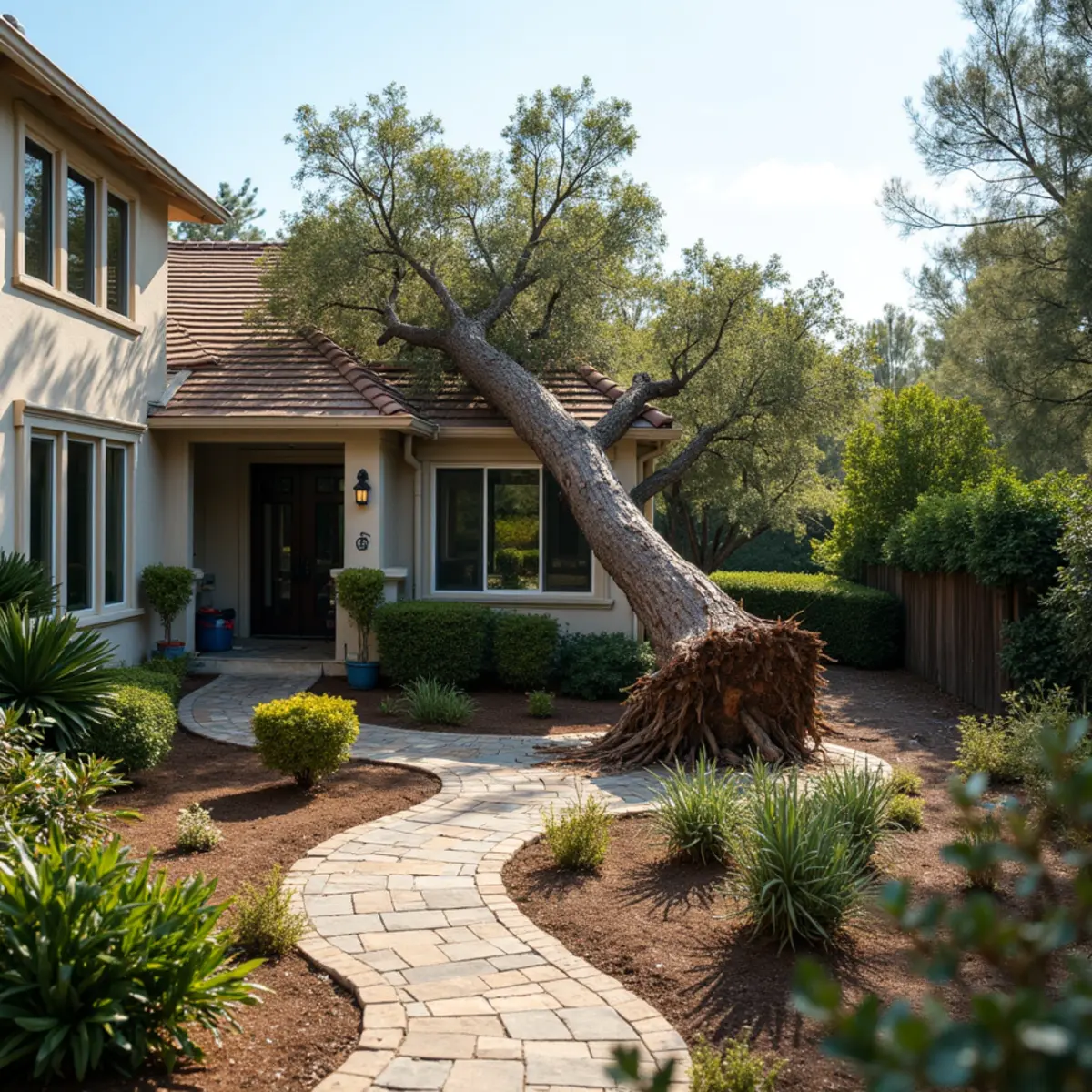
Earth movement and tree removal are two of the most misunderstood corners of a homeowners policy. Here is what California policies typically do and do not cover.
After a storm, the second question — right after “is everyone safe?” — is usually “will insurance cover this?” For mudslides and fallen trees, the answer is nuanced, and knowing the general rules helps you document a claim properly. None of this is legal or insurance advice; always confirm the specifics with your carrier.
Mudslides and earth movement: usually excluded
This is the hard one. Standard California homeowners policies typically exclude “earth movement,” which often includes landslides and mudflow. Some water-driven mudflow may fall under separate flood coverage, and specialized policies exist, but many homeowners discover the gap only after a slope fails. If you live on a canyon edge, ask your agent directly what your policy covers before winter.
Because coverage is uncertain, prevention is the best insurance. Stabilizing a slope with retaining walls and terracing before the rains is far cheaper than an uncovered emergency mudslide clearing — the approach we detail in emergency canyon hillside mudslide and erosion control.
Fallen trees: it depends on what they hit
Tree claims often hinge on damage, not the tree itself. Common patterns in standard policies:
- A tree that hits a covered structure (house, garage, fence) is often covered, including a capped amount for removal.
- A tree that falls and hits nothing is frequently not covered for removal.
- Removal-only coverage, when it exists, is usually capped per tree and per event.
- Negligence — a visibly dead tree you were warned about — can complicate a claim.
How to document a claim properly
- Photograph and video the damage from safe angles before anything is moved.
- Mitigate further damage — insurers expect you to prevent it from getting worse, so emergency tree removal or tarping is generally appropriate.
- Keep all invoices, work orders, and before/after images.
- File promptly and follow your carrier’s process.
We document our storm cleanup work thoroughly for exactly this reason, for clients across San Diego County and Encinitas.
Reduce risk and premiums with maintenance
Proactively removing dead limbs, thinning risky trees, and maintaining defensible space reduces both your risk and, in some cases, your exposure to a denied claim. See how to inspect mature eucalyptus and palm trees.
Questions about storm damage on your property? Call (323) 606-0255.
How to document a storm claim so it actually pays
Whether a claim succeeds often comes down to documentation, not the damage itself. Adjusters want to see the before, the mitigation, and the cost — clearly and promptly. The homeowners who get paid are the ones who photographed everything before anything moved, kept receipts, and acted to prevent the damage from getting worse, exactly as most policies require.
That is why we document our storm cleanup and emergency tree removal work thoroughly — arrival conditions, the hazard, the work performed, and completion. It gives your carrier what they need and removes the “was this necessary?” question.
For slopes specifically, prevention is the real coverage, because earth movement is commonly excluded. Stabilizing a slope before winter is far cheaper than an uncovered failure — see emergency canyon hillside mudslide and erosion control.
Your claim documentation checklist
- Photos and video of the damage from safe angles, before anything moves.
- Evidence you mitigated further damage (tarping, emergency removal).
- All invoices, work orders, and before/after images.
- The date and cause of loss, filed promptly.
- A written scope for any permanent repair that follows.
Questions to ask your agent before winter
The worst time to learn what your policy excludes is after a slope has failed. A short conversation with your agent before the rainy season closes the gaps that surprise people every winter. The key questions cut straight to the exclusions and caps that decide whether a claim pays — and whether it is worth carrying additional coverage on a canyon or hillside lot.
It is also worth asking how proactive maintenance affects your standing. Documented tree care and slope work can matter if an adjuster raises negligence, and stabilizing a slope before winter — through erosion control and terracing — is protection no policy provides. Prevention, in the end, is the coverage you fully control.
- Is earth movement (landslide, mudflow) excluded from my policy?
- Do I have or need separate flood coverage for water-driven mudflow?
- What is my limit for tree removal, and does the tree have to hit a structure?
- How does documented tree and slope maintenance affect a claim?
- What documentation do you require, and how quickly must I file?
We support claims for homeowners across San Diego County and Encinitas. This is general information, not insurance advice — always confirm with your carrier.
Frequently Asked Questions
Does homeowners insurance cover mudslides in California?
Will insurance pay to remove a tree that fell in my yard but hit nothing?
Should I wait for the adjuster before removing a fallen tree?
Does insurance cover a tree that damaged my fence but not my house?
What if my slope failed and damaged a neighbor’s property?
Should I get an estimate before or after filing the claim?
Need help with this in Southern California?
SOCAL EXTERIOR SERVICES, INC is a licensed San Diego landscaping and hardscaping contractor. Get a free, honest estimate from a local team that does the work right.