Protecting Coastal Canyon Slopes During Winter Rains: Deep-Rooting Plants and Geotextiles
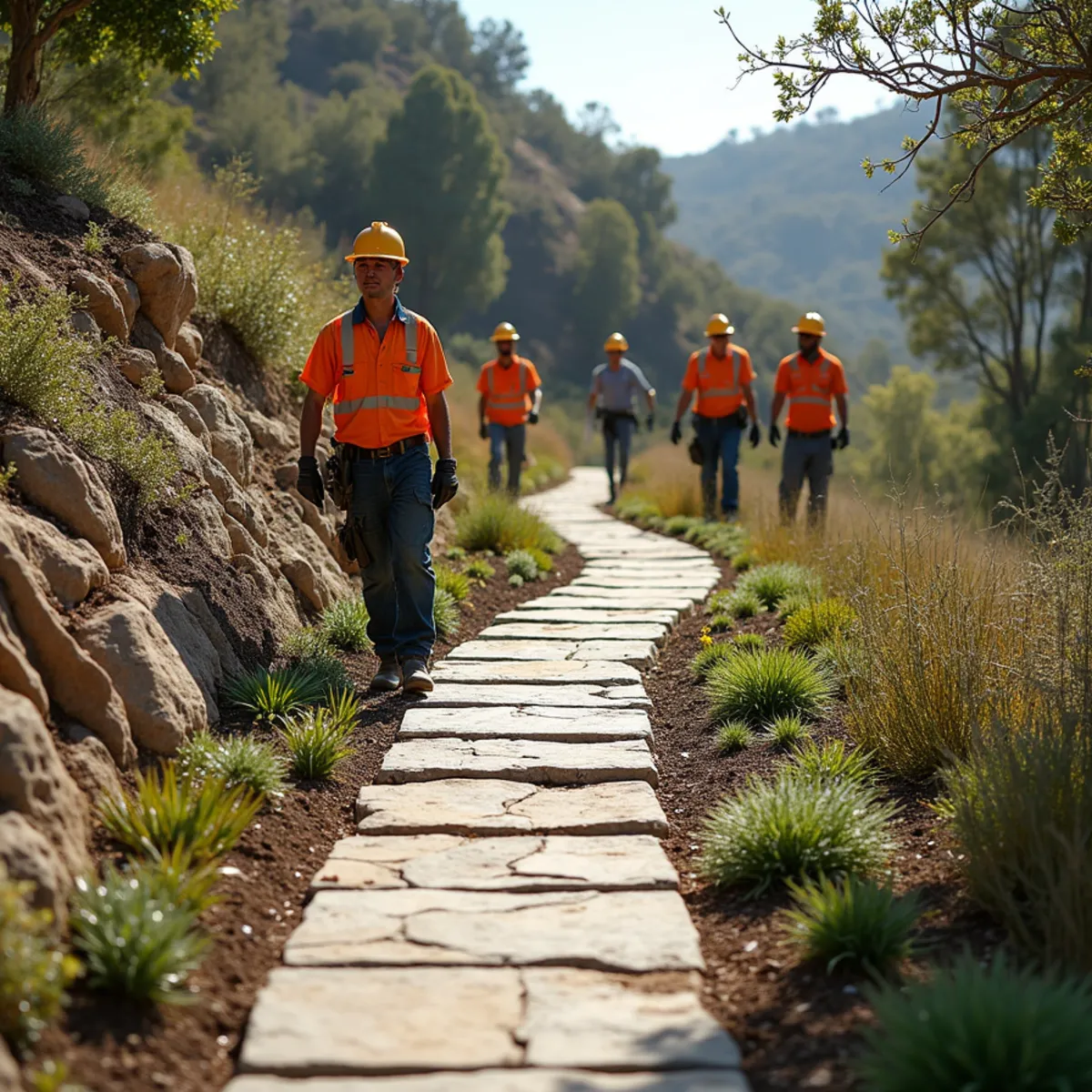
The time to protect a canyon slope is the dry season before the storms. Here is how deep-rooting plants, drainage, and geotextiles work together.
Every winter, San Diego’s coastal canyons remind homeowners which slopes were prepared and which were not. The failures happen in a few big storms, but the outcome is decided months earlier, in the dry season, by whether the slope was stabilized. Here is the playbook.
Start with water, not plants
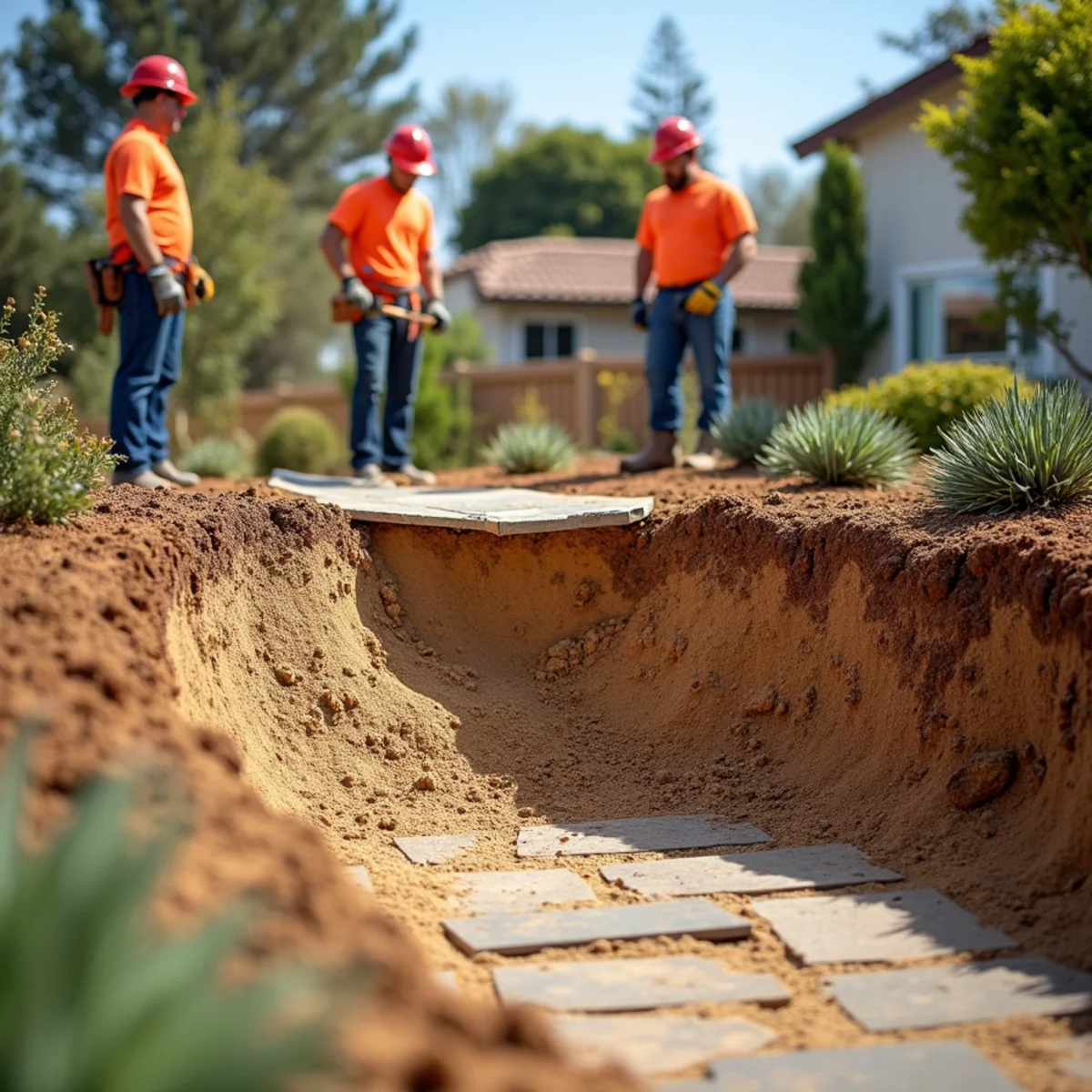
Erosion is water moving over unprotected soil, so slope protection begins by controlling water. We intercept it at the top of the slope, carry it across in stable channels, and get it off the face without letting it concentrate and cut. This drainage-first logic is the same one behind our emergency mudslide response — only done proactively, it prevents the emergency.
Break the slope with terracing
A long, steep slope gives water the distance to build speed and energy. Terracing breaks it into short, gentle steps, dramatically reducing that energy — and often creating usable planting space in the process. Where structure is needed, retaining walls do the heavy lifting, as covered in engineering canyon retaining walls.
Geotextiles hold soil while roots establish
On bare or newly planted slopes, erosion-control blankets, jute netting, and geotextiles hold the surface soil in place through the first rains — the vulnerable window before plants take hold. They are temporary insurance that buys the planting time to do its permanent job.
Deep-rooting plants make it permanent
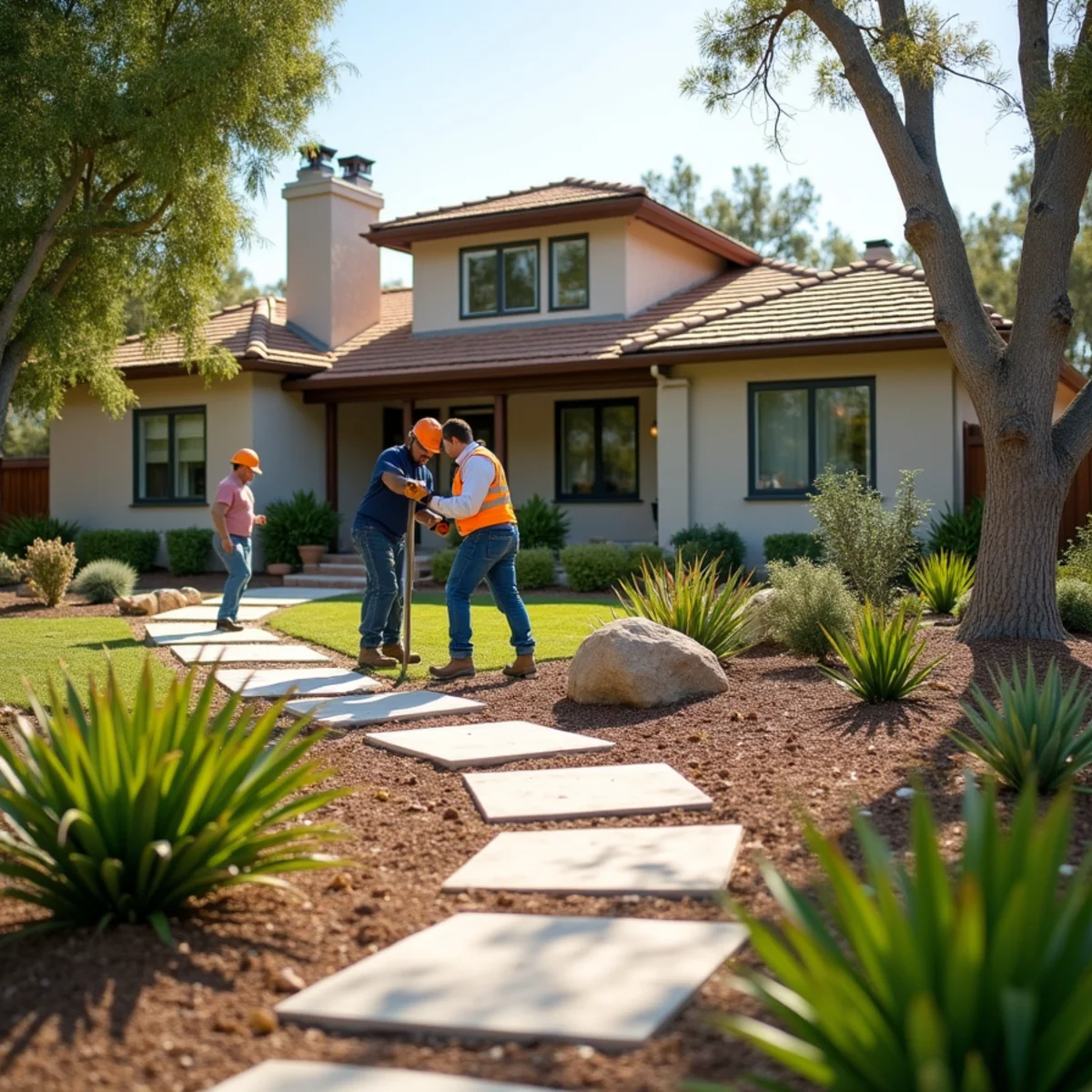
Structure and geotextiles buy time; roots make stability last. We plant slopes with deep-rooting California natives and drought-tolerant groundcovers that knit the soil, tolerate our dry summers, and shrug off the storms that started the problem. This is the heart of our slope erosion control and terracing service.
The seasonal timeline
- Late summer / early fall: assess the slope, design drainage and structure.
- Fall: build terracing and drainage, install geotextiles, and plant.
- Early winter: planting establishes with the first rains protected by geotextiles.
- Spring onward: deep roots take over as the permanent stabilizer.
Canyon-edge homes in San Diego and Solana Beach call us every fall. Beat the rain — call (323) 606-0255.
The dry-season timeline that prevents winter failures
Slope protection is a calendar problem as much as an engineering one. Deep-rooting plants need months to establish before they can hold soil, and drainage and terracing have to be built on dry, workable ground. Start in late summer or fall and the slope is ready when the storms arrive; wait until the rain is falling and you are doing emergency mudslide clearing instead of prevention.
The sequence is deliberate. First we manage water — intercepting it at the top of the slope and carrying it off the face in stable channels. Then we break the grade with terracing and, where needed, retaining walls. Then geotextiles hold the surface soil through the first rains while deep-rooting natives establish and take over as the permanent stabilizer — the full method in our slope erosion control service.
Engineering matters on taller walls, as covered in engineering canyon retaining walls.
The slope-protection season
- Late summer / early fall: assess the slope and design drainage and structure.
- Fall: build terracing and drainage, install geotextiles, and plant.
- Early winter: planting establishes, protected by netting through the first rains.
- Spring onward: deep roots take over as the permanent stabilizer.
- Annually: clear drains and inspect the slope before each rainy season.
The drainage details that make or break a slope
Plants get the attention, but drainage is what actually keeps a canyon slope standing. The goal is simple to state and easy to get wrong: never let water concentrate and run down the face. That means intercepting flow at the top with a swale or brow ditch, carrying it across in stable, lined channels, and getting it off the slope through proper outlets rather than letting it sheet over the edge. Downspouts and hardscape that dump onto the slope are a common, overlooked cause of failure.
Get the water right and the terracing and planting do their job for decades; get it wrong and no amount of planting saves it. This is the same water-first logic behind our retaining wall drainage and our emergency mudslide response.
- Intercept water at the top of the slope with a swale or brow ditch.
- Carry flow across in stable, lined channels — never let it concentrate.
- Route downspouts and hardscape runoff away from the slope face.
- Provide proper outlets so water leaves the slope, not over the edge.
- Keep drains and catch basins clear before each rainy season.
We protect canyon-edge lots across San Diego and Solana Beach.
Frequently Asked Questions
When should I stabilize a canyon slope?
What plants hold a slope best in San Diego?
Do geotextiles replace planting?
What are geotextiles and do I still need plants?
My slope already failed once — can it be made stable?
How do I know if my slope needs a retaining wall or just planting?
Need help with this in Southern California?
SOCAL EXTERIOR SERVICES, INC is a licensed San Diego landscaping and hardscaping contractor. Get a free, honest estimate from a local team that does the work right.