Wildfire Defensible Space Guidelines in San Diego County: The 100-Foot Two-Zone Strategy
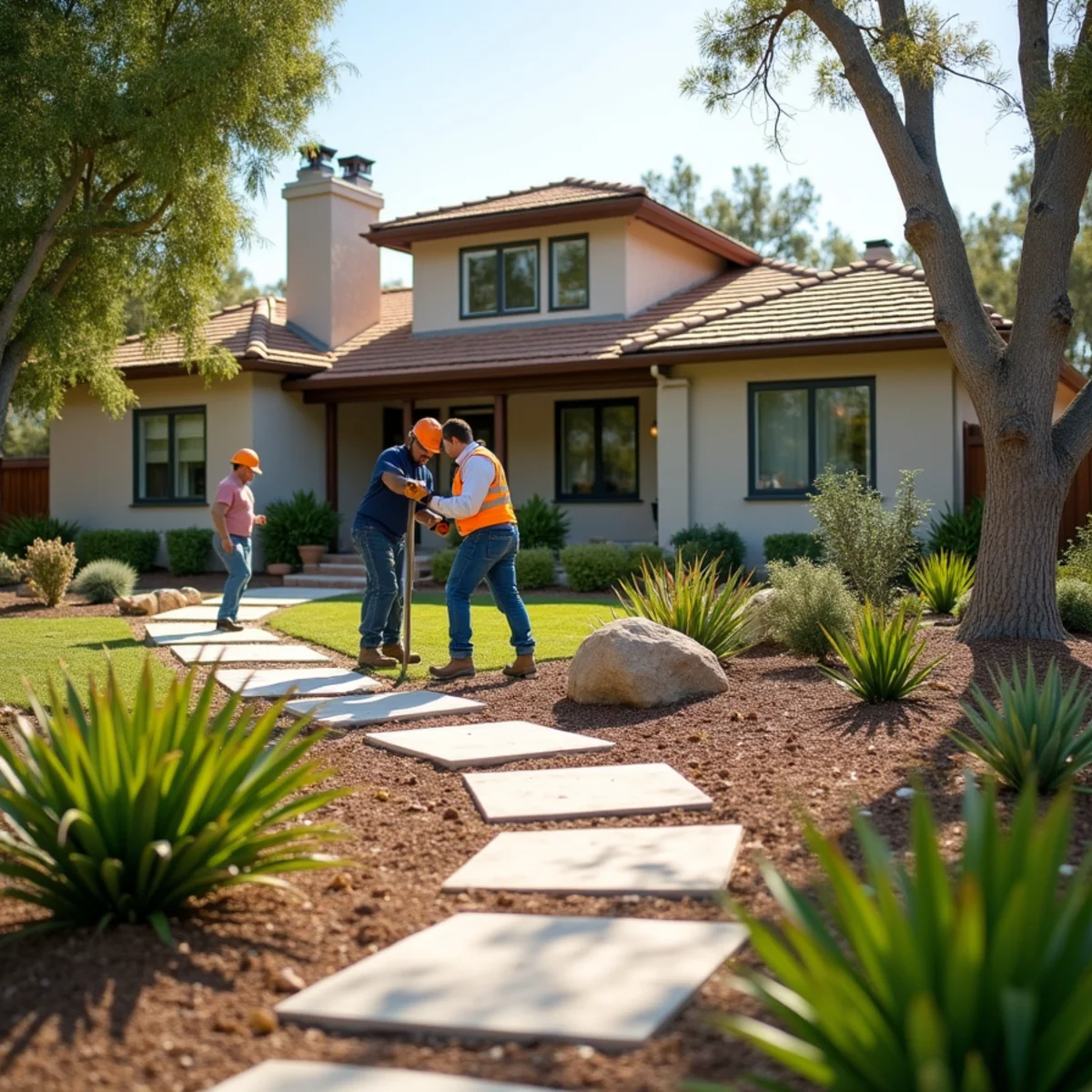
Defensible space is not about a barren yard — it is a two-zone strategy. Here is how the 100-foot rule works and how to landscape for it beautifully.
For the many San Diego County homes at the wildland edge — Alpine, Ramona, Jamul, Poway, and the backcountry — defensible space is not optional landscaping advice; it is required, and it saves homes. The good news: done right, a fire-safe yard is still an attractive one. Here is how the zones work.
The two-zone, 100-foot framework
California defensible-space guidance centers on 100 feet around structures, split into two zones with different rules. Local requirements can extend or adjust these, so always confirm with your fire agency.
Zone 1 — the first 0 to 30 feet (Lean, Clean, and Green)
- Remove dead plants, leaves, and needles from the yard and roof and gutters.
- Keep plants well spaced and irrigated so fire cannot travel plant to plant.
- Move woodpiles, and keep flammable material away from the structure and under decks.
- Trim tree limbs back from the roof and away from other trees.
Zone 2 — 30 to 100 feet (Reduce Fuel)
- Cut and clear dry grass and weeds down to a low height.
- Create horizontal and vertical spacing between shrubs and trees to break up fuel.
- Remove “ladder fuels” — low limbs and brush that let fire climb into tree canopies.
- Thin dense chaparral while keeping enough plant cover to hold the soil.
Landscape it, don’t just clear it
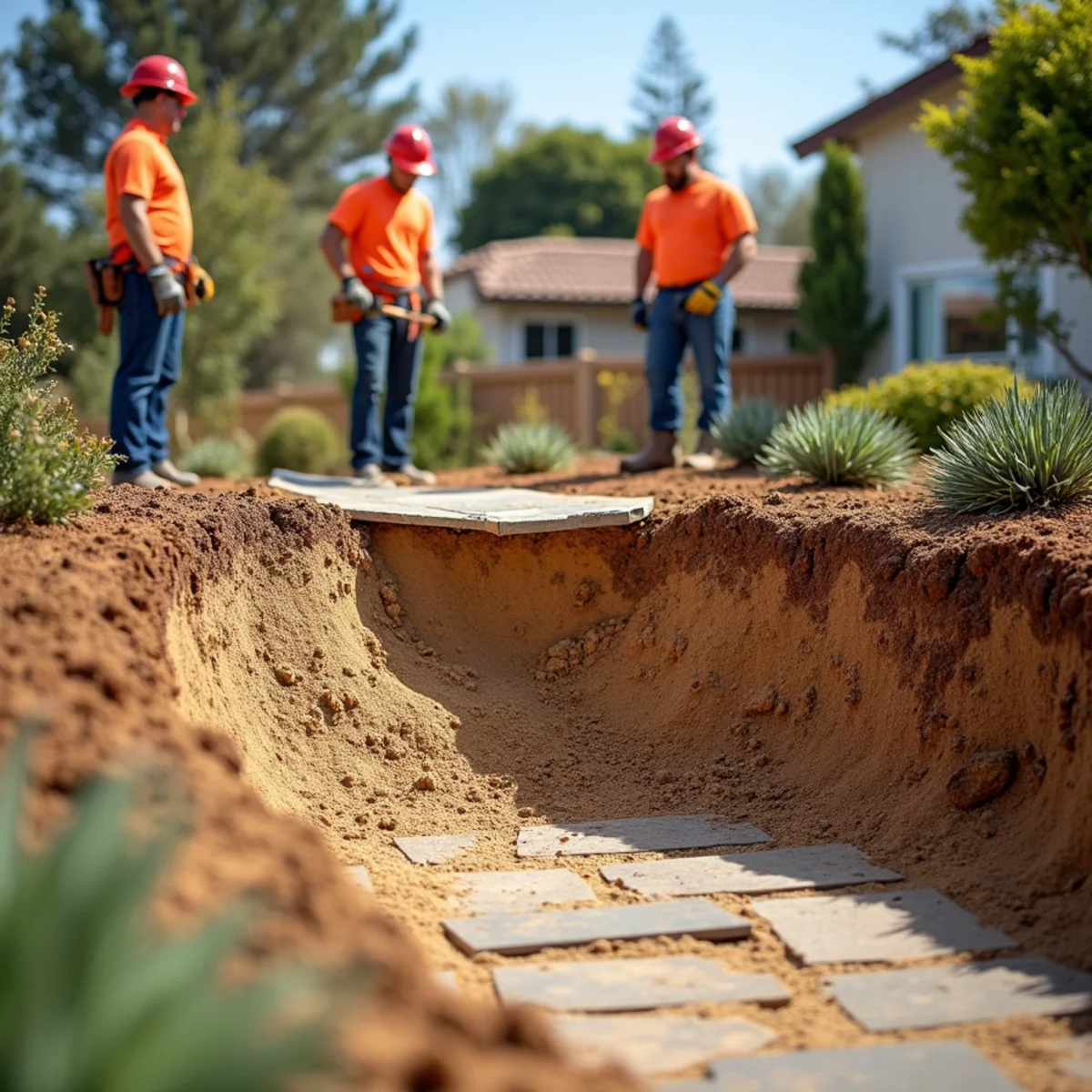
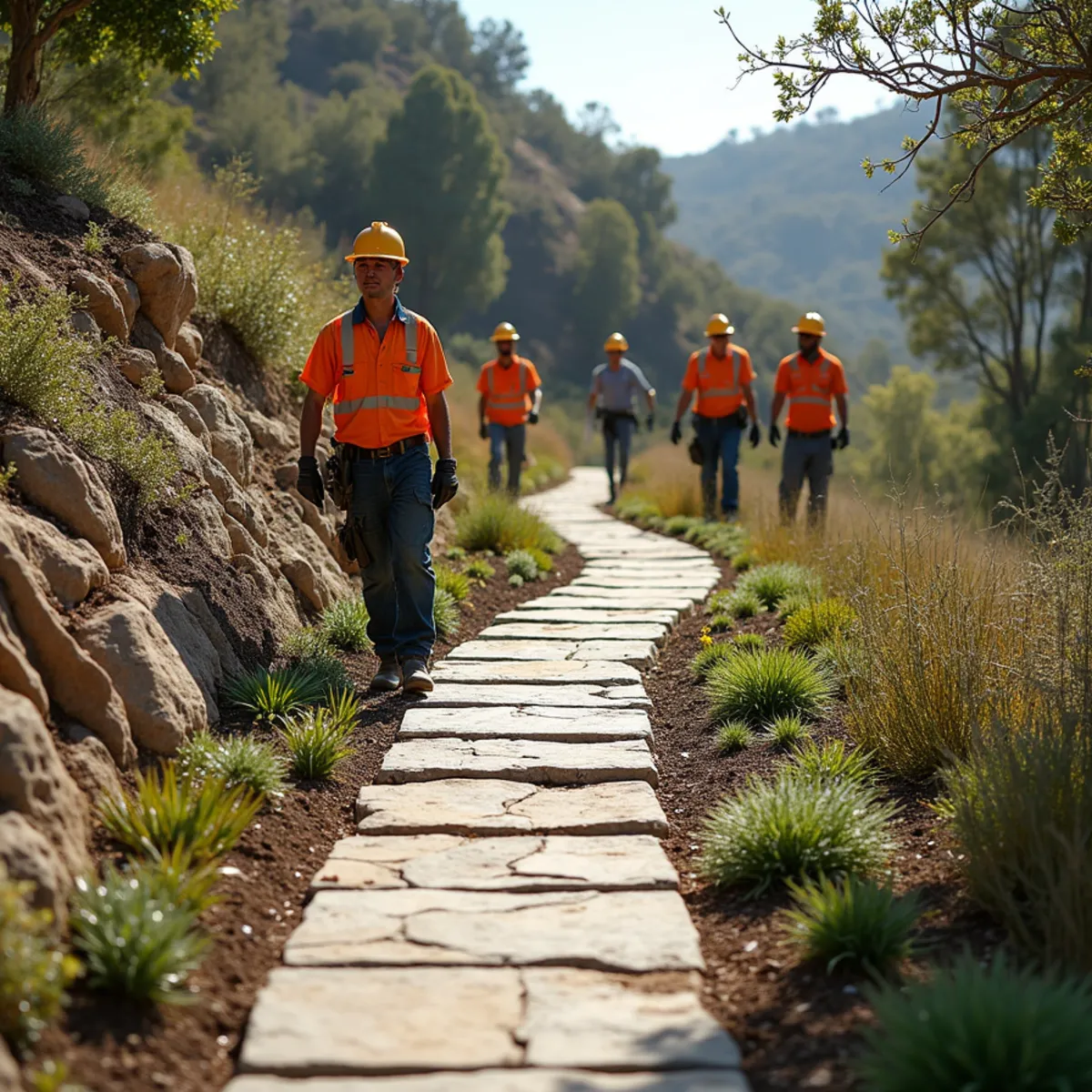
The mistake is treating defensible space as scorched earth. A better approach designs it: fire-resistant, well-irrigated plantings near the home; slope erosion control and terracing that also breaks up fuel; and hardscape and rock that create non-combustible buffers. Our urgent yard debris and hazard removal crews handle the brush and fuel reduction, and we can maintain it on a schedule.
Timing matters
Get it done before fire season and ahead of any inspection or red-flag warning. We serve the interface communities of Alpine and Ramona and coordinate around inspection deadlines — see also fall fire safety and landscape prep.
Need defensible space cleared and maintained? Call (323) 606-0255.
Designing defensible space so it still looks like a yard
The common mistake is treating defensible space as scorched earth — clearing everything to bare dirt, which then erodes and looks terrible. Done well, it is a design. The first 30 feet stays lean, green, and well-irrigated with fire-resistant, well-spaced plants; the 30-to-100-foot zone reduces fuel by thinning and spacing rather than stripping. The result protects the home and holds the soil at the same time.
On the many interface lots that are also sloped, fire clearing and erosion control go together. Thinning that removes ladder fuels can leave a slope bare, so we pair fuel reduction with slope erosion control and terracing and deep-rooting planting. The clearing and haul-off itself is our urgent yard debris and hazard removal crews’ work.
Timing matters most: get it done before fire season and ahead of any inspection or red-flag warning, as covered in fall fire safety and landscape prep.
The two-zone framework at a glance
- Zone 1 (0–30 ft): remove dead material, space and irrigate plants, clear roofs and gutters, trim limbs off the house.
- Zone 2 (30–100 ft): cut dry grass low, space shrubs and trees, remove ladder fuels, thin dense chaparral.
- Keep enough plant cover to hold the soil on slopes.
- Move woodpiles and flammables away from structures and decks.
- Confirm exact local requirements with your fire agency.
A zone-by-zone maintenance calendar
Defensible space is not a one-time project — it is a maintenance rhythm, because vegetation grows back and grasses cure to fuel every year. The work spreads naturally across the seasons. Late winter and spring are for cutting back and shaping while the ground is soft and growth is green; late spring into summer is when annual grasses dry out and need mowing low; and late summer into fall is the critical push to thin, clear ladder fuels, and de-skirt palms before the Santa Ana winds arrive, as we cover in fall fire safety prep.
Keeping the two zones on this cadence means you are never scrambling during a red-flag warning — and never out of compliance. Pairing the clearing with slope erosion control keeps the fuel reduction from leaving bare, erodible ground.
- Late winter/spring: cut back and shape while growth is green.
- Late spring/summer: mow drying annual grasses low.
- Late summer/fall: thin, clear ladder fuels, de-skirt palms before the winds.
- Before every red-flag warning: a quick fuel and access check.
- Year-round: keep the first 30 feet lean, green, and irrigated.
We clear and maintain defensible space across Alpine and Ramona.
Frequently Asked Questions
How much defensible space does San Diego County require?
Does defensible space mean a barren yard?
When should I do fire clearing?
When is the best time to clear defensible space in San Diego County?
Will clearing brush cause my slope to erode?
What plants are considered fire-resistant for San Diego yards?
Need help with this in Southern California?
SOCAL EXTERIOR SERVICES, INC is a licensed San Diego landscaping and hardscaping contractor. Get a free, honest estimate from a local team that does the work right.